 Immersalis
We get complex internal software projects moving again.
The rigour of a research lab. The agility of a business.
Custom software built around how your teams actually work. We scope the problem, design the tool and build it — right through to day-to-day use.
Energy, defence, aerospace, research — sectors where mistakes are expensive.




Everyone agrees it's needed. Nobody's built it.
A tool or prototype promised months ago that still hasn't made it into production.
A critical process that still runs on a spreadsheet — and on the one person who knows how it works.
You know what your teams need to do better, but not yet what software to build.
Writing the code is rarely the hard part. The hard part is pinning down the need, understanding how people really work and freeing up the capacity to turn it all into software.
Our sweet spot: projects where a complex system meets a real human challenge — understanding, deciding, collaborating or acting.
We study how your teams really work with their systems — then build the software to match.
We find what gets in the way of understanding, deciding or acting, then turn those findings into design decisions — and into working software.
People first
We start from real decisions, real constraints and real use.
Technology is a means, not an end
We use as much technology as the problem needs — and no more.
We see it through
We turn that understanding into a tool people actually use on the ground.
UNDERSTAND · AUGMENT · BUILD · OWN
Understand how the work really gets done. Augment people where it counts. Build software you can rely on. Hand you the keys.
UNDERSTAND — What we look at before writing a single line of code.
We observe the real work, its constraints and its friction points before designing anything.
AUGMENT — The design rule that follows.
The right information at the right moment — without taking control away from the user.
BUILD — What separates software from a prototype.
Architecture, tests and documentation are built alongside the software, not bolted on afterwards.
OWN — What you keep.
You stay in control: a documented system your teams can run themselves, and software that never makes your decisions for you.
PhD in computer science, specialising in human-computer interaction. From academic research to human-centred design to software shipped in critical environments.
Since 2005, we've been designing systems for people in complex situations.
Academic research, human-system interaction, data visualisation, collaborative systems, decision support, software development and now AI. The technology keeps changing; the goal doesn't: helping people understand, decide and act better.
An iterative process built on short, fixed-scope commitments
You never commit to the next step until you've seen the last one. Each step ends with a deliverable you can judge — and the freedom to stop there.
AI speeds up our delivery. Design, decisions and accountability stay human.
Are we the right fit?
If off-the-shelf software does the job, you should probably use it. If your in-house team has the time and the skills, they're usually the best people to build it.
Where we add most is when the problem is still hard to pin down, and the outcome really depends on how well people and system work together.
Making sense of a complex process
We dig into how the work is really done until we know exactly what the software has to solve.
Human factors as an engineering discipline
Attention, cognition, decision-making, collaboration and interaction are designed in from the start — not polished on at the end.
A proper software production line
Architecture, development, testing and documentation run through a controlled pipeline — not through one indispensable person.
From scoping to code, no hand-offs
Understanding the problem, specifying, architecting and building all happen in one continuous flow. Nothing gets lost in translation.
You can find each of these skills elsewhere. Bringing them together on a single project is what we do.
Three projects in high-stakes environments
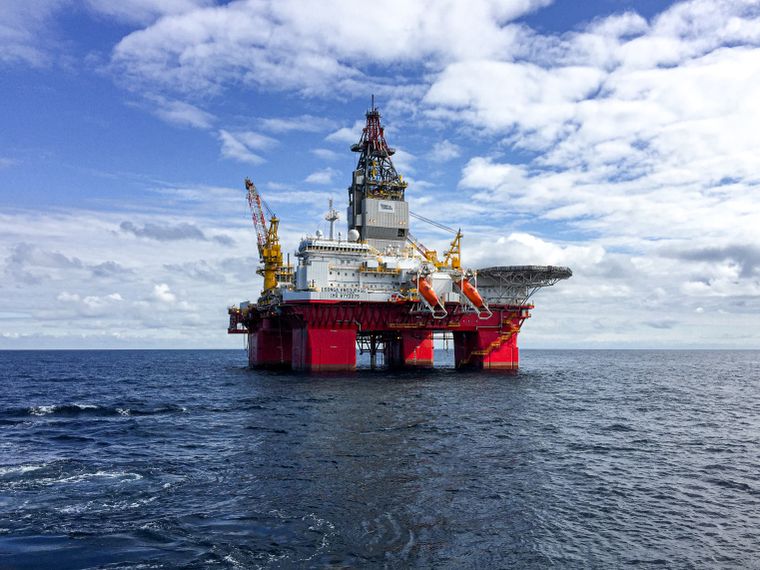
Drilling trajectory decisions
3D visualisation of drilling trajectories to cut decision errors on extremely costly operations.

Joint-forces programme
A three-year project with the French Defence Innovation Agency, spanning several branches of the armed forces.
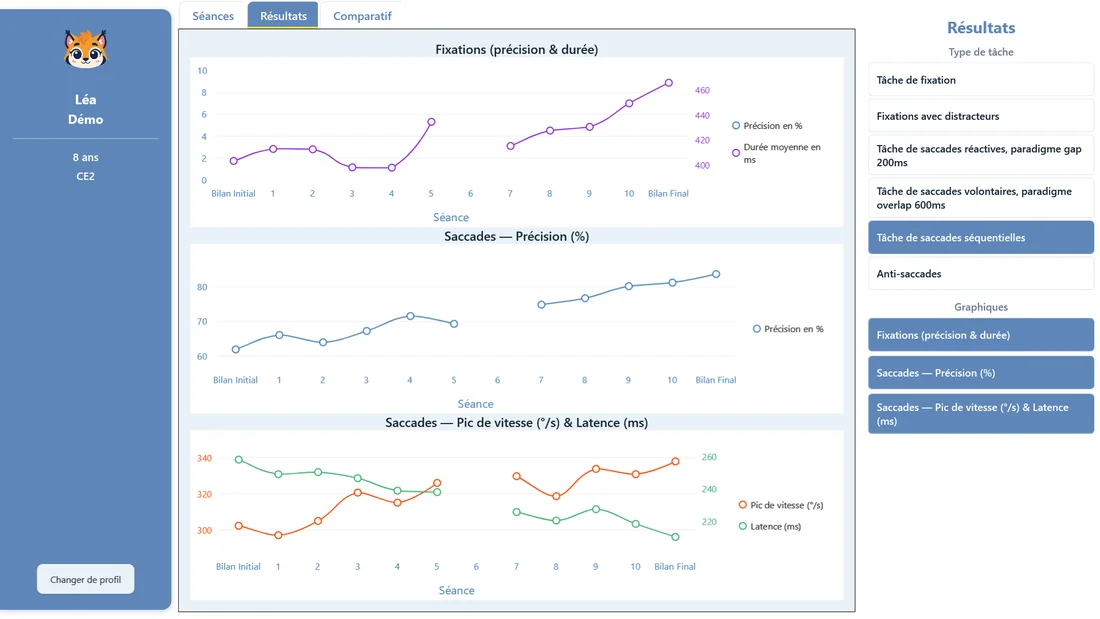
Gaze analysis in children
Objective gaze analysis for orthoptists
We designed and built a prototype combining eye tracking, calibration and data processing to make certain measurements more objective and repeatable.
Got an internal software project that's stuck?
If the need is hard to pin down, the work is critical or the tool doesn't fit how people actually work, let's start by finding out what's in the way.